

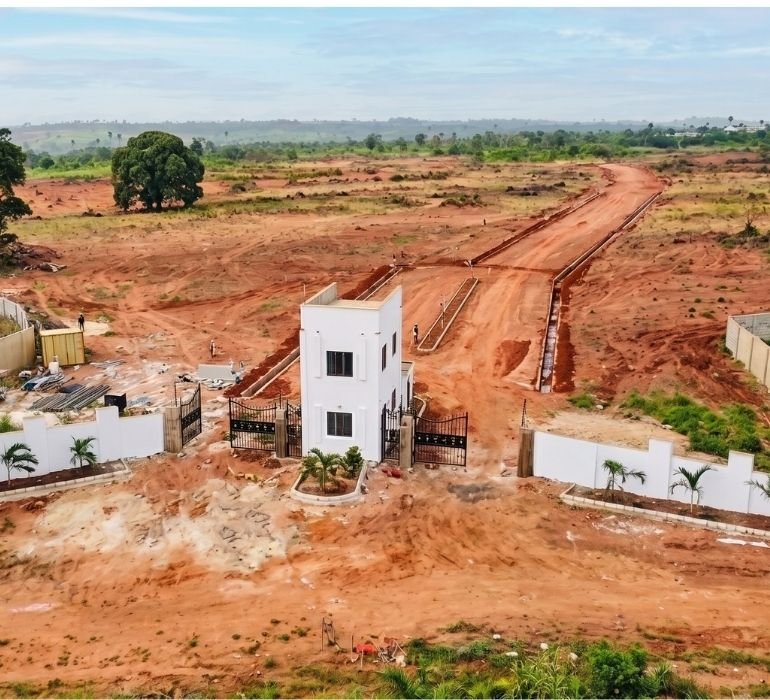
Buying land in Nigeria
Buying land in Nigeria is one of the most powerful steps you can take toward building generational wealth, securing your financial future, and establishing a foothold in one of Africa’s fastest-growing economies. Whether you are a first-time buyer looking to build your dream home, a diaspora investor seeking wealth preservation, or a corporate entity expanding its footprint, the Nigerian real estate market offers incredible potential.
However, the process can also be fraught with challenges. From navigating complex land titles to dealing with local land grabbers (often referred to as Omo Onile), the landscape requires a strategic, highly informed approach.
At Itemizers Realty, we believe that real estate acquisition should be a seamless, stress-free experience. In this comprehensive guide, we will walk you through everything you must know before taking this monumental step.
Why Buying Land in Nigeria is a Powerful Investment
Before diving into the “how,” it is vital to understand the “why.” Real estate is globally recognized as a premier asset class, but the Nigerian market possesses unique dynamics that make land banking and development particularly lucrative.
-
Rapid Urbanization: Cities like Lagos, Abuja, and Port Harcourt are expanding at unprecedented rates. Areas that were considered “outskirts” a decade ago are now prime commercial hubs.
-
High Capital Appreciation: Land in strategic growth corridors (such as Epe in Lagos or Asaba in Delta State) consistently appreciates, often outpacing traditional savings accounts and inflation.
-
Tangible Wealth Preservation: Unlike volatile stocks or depreciating currencies, land is a finite, physical asset. It provides an inflation hedge that protects your capital.
-
Versatility: A secure plot of land offers endless possibilities. You can hold it for future resale (land banking), build a residential estate, or develop commercial properties.
To maximize these benefits, however, you must master the rules of engagement for buying land in Nigeria.
7 Crucial Steps for Buying Land in Nigeria Safely
Taking the leap into property investment requires more than just capital; it requires rigorous due diligence. Follow these seven essential secrets to protect your investment.
1. Define Your Purpose and Budget
The very first step is clarity. Why are you purchasing this property? Your primary objective will dictate the location, size, and type of land you should buy.
-
Residential Development: If you intend to build a family home immediately, you need land in an accessible, developed, or rapidly developing neighborhood with basic infrastructure like roads and electricity.
-
Commercial Use: Businesses require high visibility, easy access to major expressways, and specific zoning approvals.
-
Land Banking: If you are buying to hold and sell later, you can look further away from city centers where land is currently cheaper but shows signs of future government or private development (like proposed airports or highways).
Once your purpose is clear, establish a strict budget. Remember that the cost of buying land in Nigeria goes beyond the initial purchase price. You must account for statutory fees, agency commissions, legal fees, and the cost of perfecting your land title.
2. Understand Land Topography and Location
Not all land is created equal. A plot might seem like a bargain online, but physical realities can quickly turn a cheap buy into an expensive nightmare.
-
Dry vs. Swampy Land: In coastal areas like Lagos, topography is everything. A dry parcel of land is ready for immediate construction. Swampy or waterlogged land will require extensive, costly sand-filling and specialized foundation work (like piling) before you can lay a single block.
-
Proximity to Infrastructure: Check for existing or proposed infrastructure. Is there a road network? How far is the nearest power grid?
-
Neighborhood Zoning: Ensure the area is zoned for your intended purpose. You cannot legally build a noisy factory in a strictly residential zone.
If you are a diaspora investor unable to visit the site yourself, you must rely on trusted advisors. [Internal Link: Discover our Property Sourcing and Advisory Services] to see how we handle physical verifications for our clients.
3. Beware of the ‘Omo Onile’ (Land Grabbers)
One of the most notorious challenges of buying land in Nigeria is dealing with the Omo Onile (a Yoruba term translating to “children of the landowner”). These are local families or touts who claim ancestral ownership of land.
Even if you buy land from a legitimate source, these individuals may harass you for illegal “foundation fees,” “roofing fees,” or attempt to resell your land to multiple buyers.
How to avoid them:
-
Buy within Gated Estates: Purchasing plots inside managed estates significantly reduces Omo Onile interference. The estate developers handle the local families and provide a secure, fenced environment.
-
Verify Ownership: Always ensure the person selling has the exclusive legal right to do so, not just a verbal family claim.
-
Take Immediate Possession: Once you purchase land, do not leave it unattended. Construct a perimeter fence immediately to establish your boundaries and presence.
4. Verify the Land Documents (Extremely Important)
This is the most critical phase of buying land in Nigeria. A beautiful plot in a prime location is worthless if the title is defective. Never part with your money based on a mere “receipt” or a verbal promise.
Here is a breakdown of the vital land documents you must understand:
Excision and Gazette
By law (the Land Use Act of 1978), all land in a state belongs to the State Government. However, the government can release parcels of land back to indigenous communities. This release is called an Excision. When this excision is officially published in the government’s official record book, it becomes a Gazette. Land with a Gazette is safe to buy.
Certificate of Occupancy (C of O)
This is one of the strongest land titles in Nigeria. It is a legal document issued by the State Government, proving that you have the statutory right to own and occupy the land for 99 years.
Governor’s Consent
If you are buying land that already has a C of O from a previous owner, you cannot get a new C of O. Instead, the transaction must be approved by the state governor. This approval is documented as a Governor’s Consent.
Deed of Assignment
This is an essential transactional document drawn up by a lawyer. It proves that the seller has transferred all their rights, title, and ownership of the land to you, the buyer.
Expert Tip: Always hire a competent real estate lawyer to conduct a search at the State Land Registry. For example, if you are buying in Lagos, your legal representative should verify the coordinates at the Lagos State Lands Bureau (External DoFollow Link) to ensure the land is not under government acquisition.
5. Conduct a Thorough Physical Inspection
Never buy unseen land. Even if you live abroad, you must have a trusted representative conduct a physical inspection.
During the inspection, look out for:
-
Boundary Disputes: Are there overlapping fences or neighboring structures encroaching on the plot?
-
High-Tension Wires: It is illegal and highly dangerous to build under high-tension power lines.
-
Government Setbacks: Ensure the land is not sitting on proposed government road expansions or drainage channels. If it is, your property could be demolished in the future without compensation.
6. Involve Professionals in the Process
Attempting to navigate the property market alone to save money usually results in catastrophic losses. Surround yourself with a team of competent professionals:
-
Real Estate Advisors: A firm like Itemizers Realty sources vetted properties, matches them to your lifestyle or investment goals, and guides you through the complex acquisition process.
-
Real Estate Lawyer: Your lawyer will verify the title documents, draft the Deed of Assignment, and ensure the transaction complies with state laws.
-
Registered Surveyor: A surveyor will pick the coordinates of the land and chart them to confirm the land is free from government acquisition.
7. Make Payments Securely and Document Everything
When the time comes to close the deal, never pay in cash. All transactions must be traceable.
-
Pay through bank transfers or certified bank drafts directly to the property owner’s account (or the developer’s corporate account).
-
Avoid paying into a real estate agent’s personal account.
-
Ensure you receive a comprehensive receipt, a duly signed Contract of Sale, and the original Deed of Assignment upon payment.
Common Mistakes When Buying Land in Nigeria
Even with the best intentions, buyers often fall into traps. Here are common pitfalls to avoid:
-
Skipping the Search: Assuming a land title is genuine because the seller “looks trustworthy” or is a family member. Always conduct a registry search.
-
Ignoring Hidden Charges: Failing to budget for survey fees, legal fees, agency commissions, and development levies in estates.
-
Delaying Perfection of Title: Buying the land but failing to register your Deed of Assignment or process your Governor’s Consent. An unregistered title leaves you vulnerable to legal challenges.
-
Buying “Committed” Land: Purchasing land that the government has explicitly reserved for public projects (like schools, hospitals, or roads). This land can never be legally yours.
How Itemizers Realty Makes Buying Land in Nigeria Seamless
At Itemizers Realty, we understand that the modern investor values time, security, and premium service. We have revolutionized the property acquisition process, particularly for Nigerians in the diaspora and high-net-worth individuals.
When you partner with us for buying land in Nigeria, you gain access to:
-
Strictly Vetted Inventory: We do not list every property we find. Our portfolio consists only of lands and estates that have passed rigorous legal and structural due diligence.
-
End-to-End Advisory: From defining your investment strategy to recommending high-yield locations like Asaba or Epe, we provide data-driven lifestyle and property advisory.
-
Trusted Network: We connect you with our network of licensed legal professionals and surveyors to ensure your transaction is legally watertight.
-
Relocation Support: If you are buying land as part of a broader plan to relocate your family or business back to Nigeria, our advisory team provides tailored transition support.
[Internal Link: Book a Consultation with our Advisory Team Today]
Frequently Asked Questions About Buying Land in Nigeria
1. Can a foreigner buy land in Nigeria? Yes, foreigners can acquire land in Nigeria, but the process generally requires the incorporation of a Nigerian company. The company can then hold the real estate asset. It is highly recommended to seek specialized advisory for international acquisitions.
2. What is the safest land document in Nigeria? A Certificate of Occupancy (C of O) or a Governor’s Consent are the safest and most legally recognized land titles. However, a registered Deed of Assignment backed by a Government Gazette is also highly secure.
3. Is it safe for diaspora Nigerians to buy land remotely? It is safe only if you use a trusted real estate advisory firm. Diaspora buyers are the most common victims of real estate fraud, often perpetrated by relatives or unverified agents. Using a professional corporate entity ensures transparency, legal compliance, and peace of mind.
4. Why is my land cheaper than neighboring plots? If a deal looks too good to be true, it usually is. Unusually cheap land often indicates a defective title, severe topographical issues (requiring millions of Naira in sand-filling), or an ongoing legal dispute. Always prioritize due diligence over a cheap price tag.
5. How long does it take to get a C of O? Processing a Certificate of Occupancy or Governor’s Consent can take anywhere from a few months to over a year, depending on the state’s bureaucracy. It requires patience and a competent legal representative to follow up on the application.
Conclusion
Buying land in Nigeria does not have to be a daunting, risky endeavor. It is a highly rewarding journey when approached with the right knowledge, strategy, and team. By clearly defining your goals, insisting on meticulous document verification, conducting physical inspections, and leaning on the expertise of seasoned professionals, you can secure your piece of the Nigerian real estate market safely.
Your property investment should bring you peace of mind, not sleepless nights. At Itemizers Realty, we are dedicated to guiding you through every step of this journey, transforming complex acquisitions into seamless experiences.
Are you ready to secure a verified, premium plot of land?
Contact Itemizers Realty today, and let us source the perfect property for your legacy.
Join The Discussion